Designing for Scale: What It Takes to Orchestrate 100M+ User Journeys
Lessons from unifying Hard Rock’s global digital ecosystem.
The Challenge Behind Scale
Scale changes everything. Once a product supports tens of millions of users, complexity grows in ways that are not always visible on the surface.
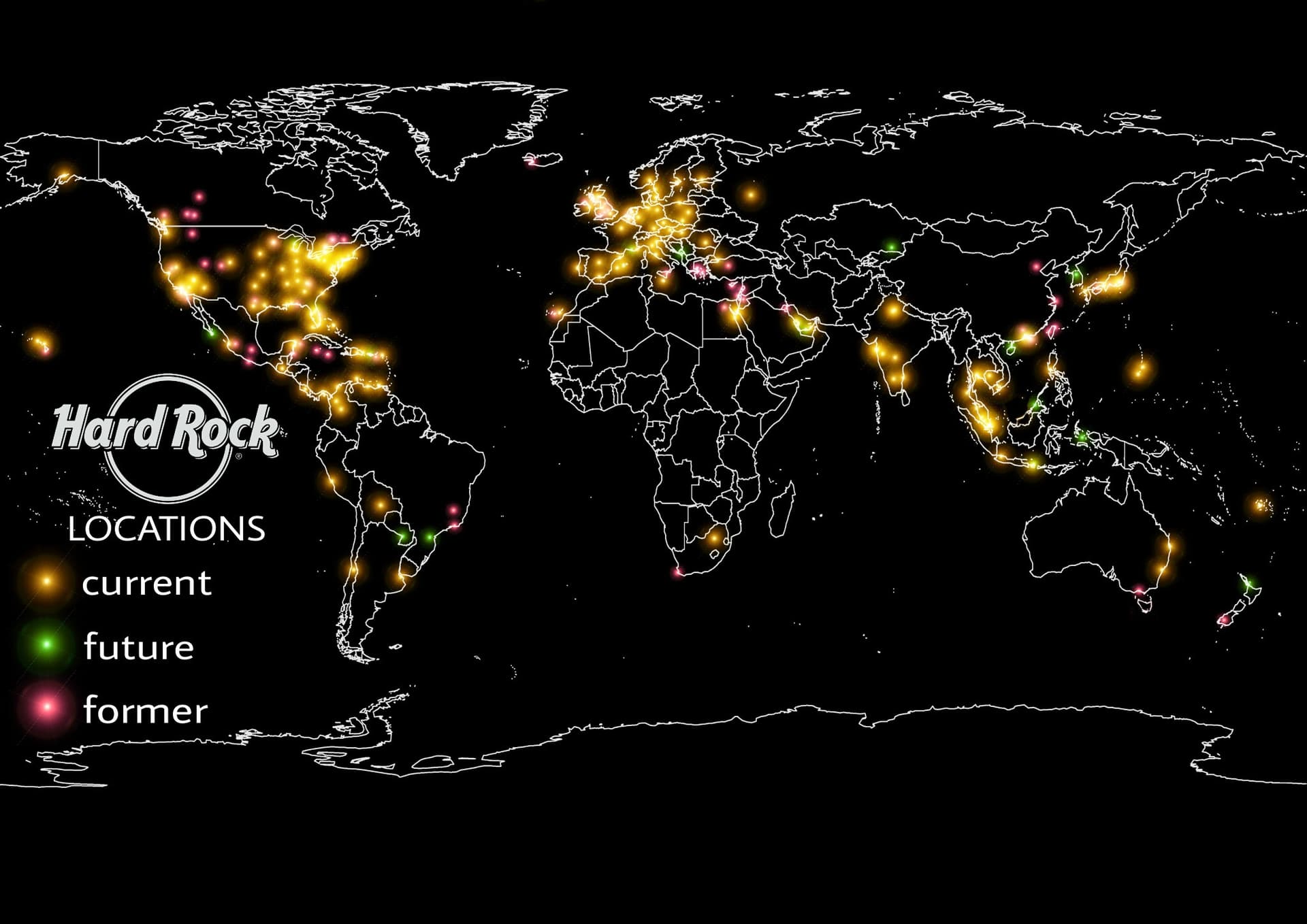
At Hard Rock, this became clear on day one. The brand spans hotels, casinos, cafés, entertainment venues, and a global loyalty program. Each line of business had its own digital presence, its own stakeholders, and its own way of working.
Externally, the experience looked fragmented. Internally, it was even more siloed.
My role was to unify 30+ websites and the HRX app into one global platform that could serve more than 100M annual visitors. The hardest part was not designing interfaces. It was getting dozens of teams to move toward one experience without losing what made their properties unique.
The Moment Scale Became Real
The scale of the problem really hit when we reviewed the analytics we inherited. There were traffic spikes, gaps, and entire funnels we could not properly trace. But we knew millions of people were navigating across hotels, casinos, and cafés every month.
This was not a design challenge. It was a systems challenge.
Designing a System That Works Everywhere
One of the first global decisions we made was to consolidate every existing design system into a single shared foundation. Previously, each business line maintained its own patterns. Some properties even had custom design systems.
For a customer exploring beyond a single destination, this meant inconsistency at every click.
The solution was a unified system with one key rule:
Flexibility within the framework.
Properties could adapt components to fit their unique needs, but the foundation remained consistent across the entire brand. This balance allowed us to scale without flattening individuality.
Navigating the Tradeoffs
Scale always brings tradeoffs. Two showed up constantly:
Simplicity vs. control:
Properties wanted to own every detail. Users needed clarity, not clutter.
Global consistency vs. local nuance:
A pattern that worked for an all-inclusive property did not always fit a casino-hotel.
Solving these was less about design decisions and more about alignment. We had to build trust with internal teams, demonstrate the value of consistency, and position the unified experience as something that supported their goals instead of replacing their autonomy.
Why This Matters Beyond Hospitality
The lessons from scaling Hard Rock’s ecosystem apply across industries:
- Aviation systems require consistency across regions and teams
- Fintech products must maintain clarity across complex flows
- Global tech platforms rely on strong design governance
- Startups benefit from scalable foundations before growth spikes
Large-scale design is never just about the UI. It is about orchestrating people, systems, and decisions.
Closing Perspective
Designing for 100M+ users forces a designer to think beyond screens. It requires a shift toward structure, governance, communication, and long-term planning.
The real work is making sure people, teams, and systems move in the same direction. At scale, alignment becomes the product.