The Transition From Designer to Product Partner
Why modern designers need to think like strategists, not specialists.
Design Roles Are Shifting
Over the past year, my conversations with early teams and founders have shown something clear. The expectations for designers are changing fast.
For a long time, designers were measured by execution. Clean interfaces. Smooth interactions. Beautiful visuals. But the founders I work with today care about something different. They want people who understand how the whole system behaves.
From my experience, the designers who create the most impact are the ones who understand:
- how users make decisions
- how incentives shape behavior
- how markets shift
- how design choices move core metrics
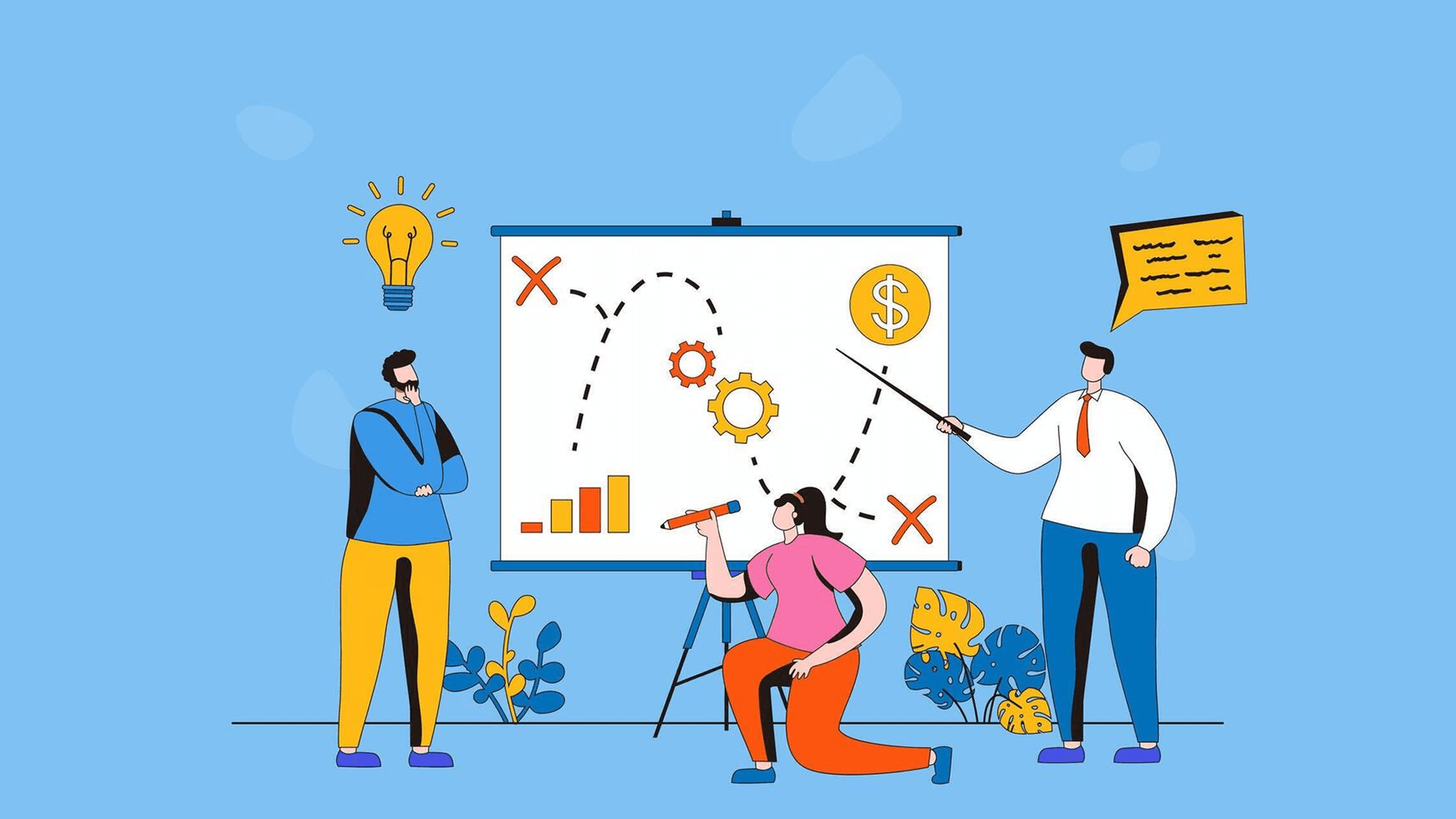
This shift is opening the door for designers to become strategic partners instead of production resources.
Reducing Founder Stress
In almost every startup conversation I have, founders describe the same environment. Fast decisions. Limited time. Constant pressure.
The biggest value a designer can bring is reducing the chaos.
A strong design partner steps in and helps by:
- framing the real problem
- filtering the noise
- simplifying priorities
- offering structure when everything feels messy
Founders do not need perfection. They need clarity and momentum.
Designers who do this consistently become the people founders rely on.
The Rise of Fractional Strategy
Recently I have seen more founders ask for fractional support. Not full-time production design. They want someone who can enter quickly, understand the situation, and guide the early decisions that shape the product.
This role requires:
- product intuition
- research discipline
- systems thinking
- design literacy
- business awareness
It is less about building screens. It is more about building alignment.
This is where designers become partners, not vendors.
The Identity Shift
Moving into this space is not about getting a new title. It is a mindset shift that shows up in everyday work.
The designers who operate like partners start every decision with questions such as:
- Why does this matter?
- What creates value here?
- What is the simplest version that works?
- How does this decision shape the roadmap?
- What pattern does this idea fit into?
Once these questions become normal, designers naturally move upstream. They help shape direction instead of reacting to it.
The Future Belongs to Hybrid Designers
Across the industries I work in, the same trend is emerging. The designers who grow the fastest are the ones who can combine:
- systems thinking
- product strategy
- visual storytelling
- behavioral insight
- technical literacy
This mix creates designers who can operate side by side with founders, product leaders, and engineers.
The designer who understands the system will always have more opportunity than the designer who only understands the interface.